Friday, September 24, 2021

Keep Your Twitch Goals in Sight


When doing anything related to streaming, I always try to keep one phrase in mind: “Don’t miss the forest for the trees.” The grammar of this one can be a bit of a sticking point for some people, but essentially it means we should be careful not to get so consumed in small details (the trees) that we are unable to see the larger picture (the forest). This practice sounds simple, but it’s easier said than done. Every problem has the potential to lead down a new rabbit hole full of minutiae. This is why I try to remind myself before undertaking any new thing that I should keep a broader perspective before exploring any individual concepts. First, what am I trying to solve? Only then will I consider what it takes to solve it.


➢ DON’T GET SIDETRACKED


Instances where streamers often miss the forest for the trees are quite varied. Tech is a common one, as the purchasing and setting up of new equipment is often misconstrued as a necessary step in getting a stream to improve. This is also one of the most popular reasons that streaming hopefuls never start their channels in the first place, because they get so caught up in the fact that they don’t own the right tech that they convince themselves they can’t go live at all. Social channels are another topic I’ve spoken a lot about before. Expanding into a large presence on other platforms too quickly can majorly gum up the works of any Twitch channel. Splitting your time and attention can only detract from the thing you’re primarily trying to focus on, and you shouldn’t do this until you’re absolutely certain you’ll be able to take on such a task with minimal intrusion. Graphics are another one. Streamers often get extremely focused on how their layouts look, or what their subscriber emotes look like, to the point that they invest more of their time and money into getting them just right than they do with their streams. The same goes for channel merchandise- these can be a huge time sink, often for minimal benefit if your following isn’t large enough. The thing about these topics is that they are all important and useful in their own rights: tech, social platforms, graphics and merch can all majorly help your content to get better. But the important part is how and when you focus on them. If they get in the way of streaming in any way, you probably need to re-explore your priorities. 


➢ HEARING THE CALL


Odysseus was also responsible for the idea
of the Trojan Horse.

In the ancient Greek story The Odyssey, the hero Odysseus and his crew are forced to sail past an island of sirens on their way home from the Trojan War. For anyone who isn’t familiar with sirens, they’re half-bird, half-woman creatures whose song can lure sailors to their destruction. Odysseus knew that passing them would mean trouble for his band, so he came up with an interesting solution. He plugged the ears of every one of his men with wax, so they wouldn’t be able to hear anything. Then, in order to hear their song himself and live to tell the tale, he had himself tied to the mast of his ship. The song would rob him of his senses for a time, but he would be physically unable to do anything self-destructive about it. By using these two strategies, Odysseus and his crew lived to sail another day. 


In my own experience on Twitch, I find that it’s sometimes necessary to explore solutions like these. There are some things I know I can’t resist, and the only way I’m able to avoid them is to remove my ability to engage with them altogether. After a while using personal social media, I realized that it was wasting my time and mostly feeding me negative influences. So I stopped using Facebook, Instagram, Twitter, TikTok and everything in between to focus more on what I actually cared about. Like the sailors who had their ears stuffed with wax to focus on the ship’s navigation, I did the same in order to prioritize my Twitch streams and other life goals. There are two other streaming subjects I’ve historically struggled with in terms of self-control. First, I would spend way too much money buying the newest video games. And second, I would stream for so long that I’d be late for appointments and make others in my life feel like they were no longer priorities. To fix these, I took inspiration from Odysseus himself. Like when he lashed himself to the mast in order to prevent harmful action, I put two strict limits in place. First, I tracked my average monthly spending and never exceeded a modest number. Second, I set a ‘hard out’ for my stream’s ending time, and would never go past it, no matter what. This allowed me to prevent streaming from sabotaging other aspects of my life. And while this may sound like I was de-prioritizing streaming in a certain way, it’s important to consider the bigger picture. If I let streaming kill my finances and relationships, I’d eventually resent the act itself and possibly even give it up altogether. There’s another ‘forest for the trees’ example for you. Sometimes it’s necessary to step back in order to move forward and advance your ultimate goals. 


➢ SOLVE THE UNSOLVABLE 


In certain Middle-earth forests, you may want 
to pay attention to the trees too.

When Alexander the Great entered Phrygia in the 4th Century BC, an oracle had declared that whoever was able to loose an impossibly complex ancient knot, called the Gordian Knot, would become ruler of all Asia. After struggling with the problem for a while, Alexander eventually took out his sword and sliced straight through it. The knot was technically loosed, and Alexander the Great went on to fulfill the prophecy. Nowadays, we use the concept of the Gordian Knot as a metaphor for coming up with easy solutions to complicated problems. Sometimes by thinking outside the box, we’re able to completely bypass many of the steps that may have seemed necessary. I try to apply this thinking to everything I do on Twitch. Anywhere I’m able to save time, money and effort by taking a more efficient route is somewhere I’m able to focus more on actually doing my broadcasts and having fun. In entries like How Low-Tech Items Can Help Your Streams, Simplify Your Streaming Problems, and Reshaping Your Days for Streaming, I helped you to attack your everyday streaming challenges from completely new angles, potentially removing much of the friction that would have been there before. 


I’ve spoken a lot in this resource about the concept of ‘First Principles.’ This involves forgetting everything you think you know about what you’re doing, and breaking the issue down to its simplest components. From there, you can work on a solution from the beginning again, as if you’ve never done it before. This method was originally coined by the modern science community, but Alexander exemplified it without even realizing. The character of Odysseus, with his myriad tricks and solutions, traces back even further. By applying this wisdom of simplicity, you can help your dreams take shape as well. No matter what you’re faced with, always keep your Twitch goals in sight. 


Friday, September 17, 2021

When Streaming, Plan for Reality


When creating our content, it’s easy to get caught in a mindset where we think we have everything figured out. Whether we’ve been spending a lot of time planning and setting up our channel before starting, or we’ve fallen into a groove where we’re able to stream without issues for a while, an overconfident attitude can cause problems if we’re not careful. It doesn’t matter how foolproof a plan seems, how unbreakable a habit, or how solid a rule. Problems can always creep in. In the immortal words of Jurassic Park’s Dr. Ian Malcolm, “Life, uh... finds a way.” Therefore, when streaming, it’s best to plan for reality. 


➢ UP IN THE AIR


Anyone experienced with air travel is familiar with the law against smoking on airplanes. The cabin staff mention this rule several times throughout any flight you might take, and there’s a backlighted ‘no smoking’ sign in front of every single passenger’s seat. Violators also face strict penalties, including large fines, even arrest and detainment. In other words, it’s extremely clear to anyone who steps foot onto an aircraft that they cannot light a cigarette under any circumstances. 


And yet, despite all these rules and penalties, inflight smoking is still accounted for on airplanes. The bathroom, which is the most common place for someone to attempt to smoke on a flight, will still have a built-in ashtray on the next flight you take. And this won’t just be due to the plane being an old model. Ashtrays are actually mandated by the Federal Aviation Administration. They’re so critical in fact, that takeoffs can even be delayed when a lavatory ashtray is missing or out of order. Now, this begs the question: why would this vestigial component still be considered so necessary? Not only is the airline ashtray outmoded, but you’d actually be breaking the law if you used it! 


Unless you're this guy, fire is likely going
to be a problem.

This is because the FAA is looking at the bigger picture. What happens if, despite all these warnings and punishments, someone
does smoke in the airplane bathroom? Placing cigarette butts in the garbage can along with all the paper towels and other trash will cause a cabin fire, which has been known to result in passenger deaths and plane crashes. So the ashtray is there as a way for someone to dispose of their cigarette butts safely, should they decide to break the rules. They’ll still face fines and potential detainment, but they won’t kill everyone on board. This method of planning for reality has always stuck with me, and since I found out about it a few years ago, it’s permeated everything I do. This, of course, includes my Twitch broadcasts. 


➢ CONTINGENCY STREAMING


Despite being a big supporter of pre-stream checklists, careful chat rules, strong habits, and other methods of preparation, I never assume that these things will make my streams infallible. I always try to have alternate options in place, should my plans fall through. 


One of the biggest catch-alls for when problems occur is a ‘Be Right Back’ screen. Being able to cut to something that doesn’t show your camera feed or gameplay is a nice way to have some time to yourself mid-stream, should you need to fix something. I spoke more on this topic in the entry Three Useful Scenes for Your Stream. For the worst problems, there are still solutions which can be reached. In the entry Become a Solution-Oriented Streamer, I took you through a mental exercise to find three separate solutions to one of the worst issues a streamer can face: a lack of internet connectivity. It’s also important to be mentally prepared for the worst, and keep tabs on how you react in the moment. If something happens while you’re live, it can be easy to fly off the handle due to the pressure and embarrassment. In the recent entry Don’t Panic: A Guide to Facing Stream Problems, I focused specifically on staying cool in the moment when something goes wrong. 


In XCOM, backup plans are a way of life.

What about when someone gets out of hand in your chat? Though I’ve gone through several of my favorite ways to moderate chat, establish rules, and measure the reactions of viewers over time, sometimes a viewer simply cannot be reasoned with. In those instances, there’s nothing wrong with timing out or even banning them altogether. When you’ve clearly stated that what they’re doing is not okay, everyone else in chat will understand the circumstances. They’ll likely even be thankful to be rid of the disruption. Other tools like fully clearing the chat, or even setting it to ‘followers only’ mode can prevent some of the more calculated attacks like follow bots or users who create new profiles to get around your restrictions. Typically, these things will go away after a while, and you’ll be able to put things back to normal. 


➢ CUSTOMIZE YOUR PLANS


The things I’ve mentioned so far have been what I’ve found useful when planning for reality on my own shows. But your streams are not the same as mine, and you will face your own problems. Take a moment to think about what you can do if something falls through. Plus, pay attention when problems do happen, and let them inform your contingency plans in the future. When you plan for reality, even your worst problems won’t seem so bad. 


Friday, September 10, 2021

When in Doubt, Stream


What do you do when you’re supposed to go live on a given day, but you just can’t muster up the will to do it? You even have a pretty good excuse lined up, which you plan to tell your community in order to get yourself off the hook. In fact, the more you think about it, why should you go live today? This reason you’ve concocted seems to make more and more sense in your mind the more you think about it, until finally, you convince yourself that there’s just no way you could do your show. These kinds of snowballing thought processes are what typically stop us from creating our content, and they can be very dangerous. The longer we entertain the idea that it might be okay not to go live on a given day, the more it starts to feel normal. And if we succumb to that weakness too many times, we begin to make a habit out of missing our scheduled broadcasts. It’s important to stay vigilant, and trust our long-term goals rather than our short-term desires. If a thought begins to form about how it might be okay to skip a day, it’s usually best to just do the show anyway. 


➢ WORK FOR YOUR DREAMS


There’s a big misconception that goes around, which can stop many people from achieving their life goals: Most people believe that following your dreams shouldn’t feel like work. This likely stems from a ‘grass is always greener’ mentality, in which we work for our entire lives in a monotonous 9-5 grind, and imagine that if we only had the opportunity to do what we loved instead, it would be the exact opposite experience. Now, it is true that there are many benefits to following a passion like Twitch streaming: it’s much more rewarding, usually more entertaining, and it’s something you can call your own. But that doesn’t mean it is entirely without the trappings of work. In addition to the added worries of building something from the ground up, you still need to show up every day, just like you would with a normal job. 


Stay on target.

The fact that nobody is faulting you for missing a day may feel like a benefit, but taking advantage of this will only ever hurt you in the end. In fact, the rigid rules and monotony of clocking in at your workplace is one of the greatest benefits you can bring to Twitch streaming. Channels don’t spring up with huge followings out of nowhere. Streamers need to create a consistency that viewers can rely on over time. This means showing up every scheduled day, whether you feel like it or not. In the entry
How to Stay Motivated About Twitch Streaming, I helped you to stay consistent by using your work schedule as a comparative measurement. It’s okay to take a day off streaming if you really, truly need it, but these should be few and very far between. Don’t let the amount of days you take off from streaming exceed the amount of days you’re allowed to take off from your 9-5 job. By thinking about it this way, you’ll maintain the discipline necessary to keep moving forward. To paraphrase the great prophet Dusty Springfield, wishin’, and hopin’, and thinkin’, and prayin’ isn’t going to get you the results you want. You have to work for the things you really care about. 


➢ KEEP THE DREAM ALIVE


How do you actually press through and go live on those days when it feels like you don’t have enough time or energy? Here’s the answer that most people don’t want to hear: you cut corners. As I talked about in the above-mentioned entry, on some work days you might not feel great and only put in 70% of your maximum effort. You know you’re not going to be at your best, but that doesn’t stop you from showing up. The same should hold true for streaming. Don’t get overly precious about making a perfect show every time you go live. It’s always more important to be there than to be perfect. Cut the show shorter, change the time, switch to a less intensive activity, or do anything else you need to do in order to avoid cancelling the broadcast. As I mentioned in the entry Just Keep Streaming, “There's no stream length too short, no time too late or early, no scheduling excuse that should ever prevent you from streaming. All you should care about is not letting your habit lapse. Anyone can stream when it's easy for them- it's how you face a challenge that defines you.”


➢ AVOID PERFECTION


There’s an excellent story which appears in James Clear’s book Atomic Habits, in which a university photography professor decides to grade two halves of his class on two possible criteria. The first half of the class would be graded solely based on the quantity of their photos, meaning he would literally just count the number of photos they took and give them an A if there were over 100 images, a B if there were 90, and so on. The other group was rated based on quality, meaning these students would only need to submit one single photo, but it was graded based on the composition, lighting, evocativeness, and all the other factors involved in making a great image. Now, based on the objectives of these two groups, you can imagine which half of the class submitted the more artistic and creatively striking work. 


Frank West takes a lot of bad photos,
but he keeps getting XP either way.

Or can you? Because at the end of the semester, the professor found that the group which focused on shoveling out as many photos as possible actually took all the best pictures. And when you think about it, this makes perfect sense. These students were out there getting their hands dirty, making mistakes and experimenting with different ideas. They were honing their photography skills every day. While the quantity group was out there taking hundreds of pictures, the quality group was merely sitting there ruminating on what makes the perfect photo, while doing no practical work. They had a lot of ideas, and only one mediocre photo to show for them at the end of the day. 


Ideas and plans are meaningless if you don’t actually put them into practice. And putting them into practice is similarly meaningless if you don’t do it regularly. If you’re having trouble deciding what game to play on a certain day, just go with whatever comes to mind. If your channel redesign isn’t exactly what you’d hoped for, use it anyway. You can always improve later. Making the wrong choice will never be as bad as making no choice. As I put it in the entry How to Avoid Streamer’s Block, “The only reason we spend time making the decision is because a decision is there to be made.” Just remove the burden of choice, go with the first thing that comes to mind, and go live. 


➢ CREATE YOUR CONTENT


The more content you make, the better you will get at making it. Like with the photography students, only the content that you actually create matters. No amount of thinking or behind-the-scenes work will ever make up for real experience. So don’t let things get in the way, don’t reschedule your show, and don’t wait for perfection to strike. When in doubt, stream. 


Friday, September 3, 2021

How to Avoid Overspending on Streaming


Throughout this resource, I’ve often shared my opinion that you shouldn’t need to buy anything in order to get started with streaming. It’s highly likely that if you haven’t started yet, you already have the tools to go live in some way or another. But just because you don’t need anything in order to start your journey doesn’t mean you should never make a purchase at any point in your streaming career. Eventually, it all comes down to your mindset. Tech upgrades are often seen as fix-all solutions for streaming problems, almost as replacements for skill or experience. Many people also use the need for future purchases as an excuse not to get into Twitch broadcasting, or not to ‘get serious’ about it once they’ve started. These are limiting ways to view streaming, and they’ll make you dependent on spending your hard-earned money in order to go live. But there’s nothing inherently wrong with making stream-related purchases, as long as you’re viewing them from the right frame of mind. The difficult part, once you’ve come to terms with buying things to support your streams, is drawing the line. We’re natural consumers, and making one purchase can end up turning into several more. For many of us, making a few really big purchases or a lot of unnoticeably small ones can cause us to regret our spending habits at the end of the month. In this entry, I’m going to help you avoid overspending on streaming. 


➢ SET AND FORGET


The first thing to consider are expenses which have already been made and can’t be recovered. These are known in the business world as ‘sunk costs.’ If you already have a game console, PC, camera, or anything else used for streaming, these are part of your tool kit. If there are no future payments associated with them, then you don’t need to worry about them anymore. But sometimes, even when they’re already paid for in full, there are certain pieces of tech that almost seem to eat money. Meaning, the more you use them, the more it feels like you need to keep buying things to go with them. This happens to people with DSLR cameras quite often. They will buy the new camera, but then need to get a nicer lens. And when they have the lens, they need better lights to improve the shot. And then various adapters, and a better tripod, and so on and so on. The same thing happens when you get a VR headset and feeling like you need to keep adding accessories, or you splurge on a new microphone only to find that a bunch of other boxes and cables, along with wind screens, mounting arms and sound proofing might come in handy as well. You can see the pattern here. Certain larger purchases often continue biting us after the fact, because we keep getting nibbled on by hidden costs. These smaller supporting purchases can often double the price of the original item, if not more.


➢ COMPARING COSTS


Be careful of hidden costs.

But the idea of ‘gateway purchases’ isn’t exclusive to streaming. This concept lords over every spending decision we make. As Dan Ariely and Jeff Kreisler point out in their excellent book Dollars and Sense, we can’t really measure the absolute value of any item on a day to day basis- we only ever perceive its relative value. Meaning, the value of one item compared to another. Car salesmen use this tactic to make us more receptive toward buying things we don’t really need while we’re on the lot. For example, we may be reluctant to spend a few hundred dollars on a stereo system if we saw it in a shop window while walking down the street, but when we’re already spending thousands on a car, that add-on feels like a drop in the bucket. It’s also why big box stores will show you the original price of an item next to its new lower cost while it’s on sale. Even when those ‘sales’ are happening almost every day of the year, and the items can be bought for that price more frequently than not, we’re still more likely to buy it when we see what it used to cost. It’s all because of how we perceive ‘relative value.’


This was never more apparent than when the department store J.C. Penney hired a new CEO in 2011, who introduced his ‘fair and square’ pricing concept. Under this new management, the stores eliminated the concept of something ‘going on sale,’ and instead just sold everything at the lowest possible sale price all year round. This seems like a nice idea, right? Everyone gets the same low price no matter what. The problem is, people didn’t want to get the same low price as everyone else. In one year, company profits dropped by a staggering 32%. The season in 2012 when those sales numbers were announced has actually been described as “the worst quarter in retail history.” The CEO was fired, and sales and coupons were quickly readopted into the usual routine. The moral of the story is that people want to feel like they’re smart or special for spotting a deal. We’ll even accept the inconvenience of coupons and timed offers, just to get that feeling. And none of us are completely immune to the siren’s call. I know I personally have an insane amount of video games accumulated over the past 15+ years of owning a Steam account that I’ll never get to play, which I only bought because they were 90% off during some sales event. I knew in the back of my mind at the time that I wanted to play those games, and bought them so they’d be available to dig into on some rainy day. Meanwhile, most of them have been collecting digital dust since I clicked the ‘Checkout’ button years ago. A similar thing happens on Black Friday and other major tech sales events. Sometimes we have a single specific thing we need to get during these sales, but most of the time we’re coerced into buying things just because we see that they’re going to cost less than they used to for a few hours. So be careful of sales, coupons and other deals. They can be useful if you’re buying something you’ve needed since before the discount, but they can be killers when you let yourself be tempted by the things you only want because of the new price. 


➢ LOWER YOUR SPENDING


So again, while it’s fine to buy things you need for streaming, don’t let those purchases lead you down a rabbit hole. For those who have recently started working from home, it may be especially tempting to make a bunch of new purchases to pass the time. But ultimately, it’s best to know what you’re trying to achieve on stream, and limit yourself to only the things that will allow that to happen. You should be able to get in a few dozen (or if you’re like me, a few hundred) broadcasts between making any major channel purchases. This will not only ensure you’re getting your money’s worth from each new piece of tech, but it’ll also help you to slow down and reflect on what you need for your channel. You may find new solutions that you wouldn’t have arrived at if you merely made a bunch of quick purchases without thinking. So avoid overspending on your channel, and let yourself focus on streaming for its own sake. 


Friday, August 27, 2021

Growth Check-In: What's New on Stream?


Streaming on Twitch, it’s easy to lose track of time. And I don’t just mean missing dinner because you want to play one more match. When we create routines that require as much effort and precision as Twitch streaming, the days, weeks and months can pass by in a flash. And so as we continue on our journeys, it’s important to take moments to reflect on our progress. In past growth check-in entries, I’ve covered subjects like boosting your results, simplifying your routine, getting on track, and being more efficient. This time, ask yourself one simple question: What’s new on stream? 


What have you been doing on stream lately that’s different from what you were doing several months ago? Have you switched the games you play? Is there a new way you interact with chat? Are there any new graphics or layouts being used in your streaming software? Whether you’ve just started streaming or you’ve been doing it for years, it’s always useful to take note of what’s new on your shows. 


Just pay attention and you'll be fine.

We’re not necessarily here to make snap judgments or remove features, but simply to observe. You may come up with some solutions on the spot, but for most things it’s enough just to bring them to the front of your mind. By paying attention to how your shows (and you as the streamer) have changed in the past few months, ideas will begin percolating in your head. Over the next few days or weeks, solutions or new features may begin presenting themselves in your mind without even needing to think about them. Sometimes it’s enough to shine a light on everything happening on your channel, and let your subconscious mind do the rest. 


➢ HIDDEN CHANGES


When asked what has changed recently, many may claim that nothing at all is new. I personally think this is impossible. If you keep streaming on a Twitch channel, something new is always happening, whether you’ve brought it about, or it creeps up without you noticing. Even when you’re doing the exact same thing every day, there will still be differences from your older streams. You may not have made any visual updates, but you’re probably more confident in the way you speak on camera. Maybe you found a nice rhythm for when to pay attention to your game vs when to read the chat. Or you could simply be faster when setting up the show, because it’s become such a set routine. In other words, the stream itself may not seem to have anything new, but you yourself have become a new streamer. 


Every day we spend streaming, we get a tiny bit better at the various aspects of our craft. But it’s nearly impossible to see this growth if you’re looking at things from close range. This is a good change to watch older Past Broadcasts or Highlights to see your old self in action. Can you detect any differences in how you spoke on the shows, or how you handled certain situations? This is also a great use for the methods I laid out in the entry Chronicle Your Twitch Progress. There, I spoke about taking a quick ten minutes per week to write down your thoughts about the best, worst, and most interesting moments on your channel. When you have a diary like that and you want to zoom out and take stock over the course of months like we’re doing here, you’ll be able to look over your notes to see which old problems have since been solved, and which still need improvement. It gives you a great bird's-eye view.


➢ BOTH SIDES


Not everything new on stream will be good, either. What problems have occurred on your shows lately? This includes a broad range of possibilities too, not just your tech. You may run into issues with your capture card or a crashing game- these are easy problems to notice. But you may also be struggling with discipline, missing your scheduled shows or never finding time to work on your stream behind the scenes. Maybe your chat is constantly getting out of hand and making you uncomfortable, or you find yourself getting into arguments you’d rather not have. Everything, from the most basic hardware issue to the most esoteric interpersonal dispute can be addressed, if you come at it with a creative mind. I’ve written a lot about dealing with Twitch chat, but if you’re having a hard time with yours, you can look into entries like Combat Negativity in Twitch Chat, or Setting Limits For Your Streams. If you’re unable to keep to a schedule, you can revisit entries like How to Find the Time to Stream on Twitch, and How to Get in the Habit of Streaming. And for all other issues, it’s mostly about getting into a proper problem solving mindset. The entry Fix One Thing About Your Stream Every Day will help you to keep track of everything better, and then others like Simplify Your Streaming Problems will let you get to the heart of any issue. 


Even if you’ve done everything possible to prevent problems and solve the ones you already have, there will never be a way to plan for every single eventuality. Things will happen on stream one way or another, and it’s important to pay attention to how we deal with the problems that do arise. If something happened on your stream lately, take a moment now to consider how you responded in the moment. Did you keep your cool, or did you fly off the handle? Did you have a hard time keeping the show in check amid the chaos? Many times, after a problem occurs on my own shows, I try to take stock of what I handled well, and what I could have done better. Then I keep that assessment in mind for the next time something happens. This way, I’ll be able to work on my flaws in a very conscious manner. For more info on how I like to approach reacting to problems on stream, see the entry Don’t Panic: A Guide to Facing Stream Problems. 


➢ BALANCING ACT


It's all about balancing.

On top of all the streaming you’ve done, it’s good to also consider how the shows fit into your overall life. How much content are you producing these days? Are the streams longer or shorter on average than they were six months ago? Neither of these statistics is inherently good or bad of course, it’s all up to how you want streaming to fit into your life. Do you want your shows to be longer than they have been recently, or does it feel like streams are detracting from your personal life? If you’d like to fit more streaming into your days, even if you can’t see how that would be practical, check the entry called Do More Streaming. There, I helped you to rewrite your assumptions about what’s possible, and squeeze more time into an already-busy day. If you feel like streaming may be hurting other aspects of your lifestyle, you do have a few options. In the entry, Stream Smarter, Not Harder, I gave some sneaky ideas about how to spend significantly less time but still get similar results. And in the entry Make Sure to Rest From Streaming, I helped you to see the importance of taking time for yourself. 


➢ WHAT ELSE IS NEW? 


This entry has featured some of the biggest bullet points to address when thinking about what’s changed on your channel over the past several months. But there will always be more areas to look into. Don’t worry, because whatever you focus your attention on will be productive in the end. Spending any time at all in self-reflection is better than continuing to push forward blindly. Plus, you can always revisit this exercise later to get new results. As long as you’re considering what’s new on stream, all kinds of possibilities will present themselves. 


Friday, August 20, 2021

Stream-Friendly Game Settings


When streaming on Twitch, there are all sorts of things you can do to make your show more enjoyable to watch. General ‘watchability’ is a big topic for streaming, and there are a lot of angles from which you can tackle the problem. In fact, I’ve spoken about it in a few different places throughout The Twitch Playbook already. Probably the most direct was the entry Easy Ways to Make Your Streams More Watchable, in which I went over all sorts of ways to make a Twitch stream more accessible for the viewers at home- from stream software settings to how you conduct yourself as the streamer. In this entry, I want to zero in on one specific aspect of making your streams easier to follow along with, which anyone who plays video games on stream can implement. We’re going to take a second to tweak some of the settings in the games you play. 


➢ SET YOUR VISUALS


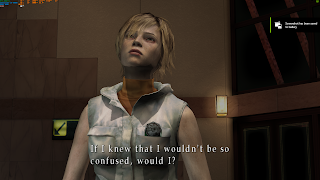
One quick and easy setting that can help make your streams easier to follow is a simple toggle switch. Twitch viewers often appreciate when you enable subtitles in the games you play. This is true for many reasons: of course, it assists the hard of hearing, but it also helps people to understand what’s going on if you’re speaking over the characters in the game. On top of that, many Twitch viewers watch streams in public or at work (shoutout to those who risk getting in trouble with the boss to watch our shows, by the way!) These viewers have to watch at either a lowered volume, or with the sound completely disabled. In all of these cases, having subtitles makes it easier for someone to follow along. Now, subtitles are more important in certain types of games than others, but if you’re playing something with dialogue and don’t mind having words on screen, give these a shot for an easy boost to watchability! 


Exactly.

Another visual option that can assist viewers is put in front of you when you first boot up almost any video game: the brightness slider. As I’ve mentioned in earlier Twitch Playbook entries, broadcasts tend to appear darker for the viewer than they do on your screen while you’re playing the game. This means that in some games, when it’s night time or the lights are out in a haunted house, the action can be so dark that the viewer is completely unable to see what’s happening. In any game you play, I suggest turning up the ‘Brightness’ slider a few pips past where you think it’s meant to be. This will ensure that your viewers are able to enjoy the show along with you. Believe it or not, this one change alone has gotten me tangible increases in viewer retention, at different points in my Twitch career. 


➢ MIX YOUR SOUND


In past entries like Optimize Your Stream Audio Without Buying a New Mic, I explained the importance of sound mixing. In that one, I mostly focused on how you can mix audio in your streaming software. But it’s also possible to alter aspects of the sound mix in almost every video game available today! Taking a few minutes to tweak these settings can net you some extra points for viewer accessibility. 


The first sound setting you should look for is the Dynamic Range. I would say that the majority of games have this, though it’s sometimes listed under different names. You’ll know the Dynamic Range setting because it asks you to choose between sound options like ‘Large Speakers,’ ‘Small Speakers,’ ‘Headphones,’ and ‘Home Theater.’ This is a mysterious setting to most people, and some tend to opt for the larger choices like ‘Home Theater,’ assuming that they output higher quality audio. This is a misconception, and can make your game’s sound mix more difficult to understand on a Twitch broadcast. What Dynamic Range actually does is control the difference between the loudest sounds in a game and the quietest ones. This may not sound like a big deal, but if you’ve ever tried to watch a Christopher Nolan movie like Tenet or Interstellar on headphones or a normal TV speaker, you’ve likely experienced just how much dynamic range can affect you. Nolan is notorious for using an extremely high dynamic range in his movies, and while this sounds great in a movie theater, watching these movies at home usually means that explosions are loud enough to bother your neighbors while dialogue is whisper quiet. And while your game’s settings may not be that severe, it’s still typically best to choose the ‘Headphones’ option. 


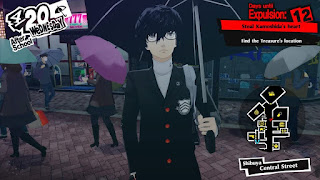
Persona 5 has a killer soundtrack, so maybe
keep the music all the way up for that one.

Then there are the individual sound settings. Most video games will give the option to tweak the volume levels of various types of sounds. The most common sliders you’ll see are for ‘Voice,’ ‘Effects’ and ‘Music,’ though some games have even more to choose from. Using these, you can optimize the audio for the kind of stream you’re trying to produce. If you want to play your own custom soundtrack during the game, turning the ‘Music’ slider all the way down will prevent the game’s own music from getting in the way of yours. If you don’t want to hear the grunts and yelps every time your character moves around or gets attacked in a multiplayer shooter, you can remove the ‘Voice’ track. I personally use these settings all the time in story-based singleplayer games by turning the ‘Effects’ and ‘Music’ sliders to about 80% while ‘Voice’ stays at 100%. This ensures that everyone can always hear what characters are saying, even when there’s a lot of action happening. One other useful setting to keep an eye out for is ‘Streamer Mode.’ This will automatically disable licensed music while you play the game, so you don’t have to worry about getting in trouble with copyrights.


➢ SMOOTHER GAMEPLAY


There are a few settings which can help you have a smoother time in the games you play as well. Stream hiccups mean less entertainment for the viewers after all, and keeping your shows in good working order will also help with watchability. For PC players, especially those with multiple monitors, you may find a lot of use in the ‘Borderless Fullscreen’ display option, rather than normal ‘Fullscreen.’ This prevents the game from causing as many problems when you need to switch away from it to type in your chat, and can sometimes even help performance. 


Speaking of performance, it’s always good to make sure your graphics settings are appropriate. This applies to PC players, and even some console ones, as certain console games now have options like ‘Performance Mode’ and ‘Resolution Mode.’ Graphics settings will always be up to your personal preference, but sometimes you may be pulling more power from your machine than is required for the stream. For example, if your stream outputs at 720p, then it’s not necessarily as important to get every single pixel of detail from the game in the graphics settings. Even if it looks good on your 1080p monitor at home, the viewer isn’t really seeing the difference that some of these graphics settings make. But your machine may be dropping the game’s framerate due to those unnecessary settings. It’s sort of a ‘worst of both worlds’ scenario. Since streamers who aren’t Partnered often don’t get variable quality options on their streams, outputting at high resolutions like 1080p is typically only going to hurt your shows anyway. So if you want to take some pressure off your machine and your stream, try going for performance over resolution. It’ll make your games run smoother, and that definitely helps watchability. 


➢ TAKE THE TIME


What I’ve described in this entry are some settings I’ve had success with at various points in my streaming career. But depending on which games you play, there will be other options available to tweak as well. Try taking some time to experiment with some of the tools at your disposal. Sometimes the simplest change can make a big difference. If you stream video games, the viewers will be seeing your game for most of the show. Why not do your best to make sure it looks and sounds as good as possible, by finding a few stream-friendly game settings?